

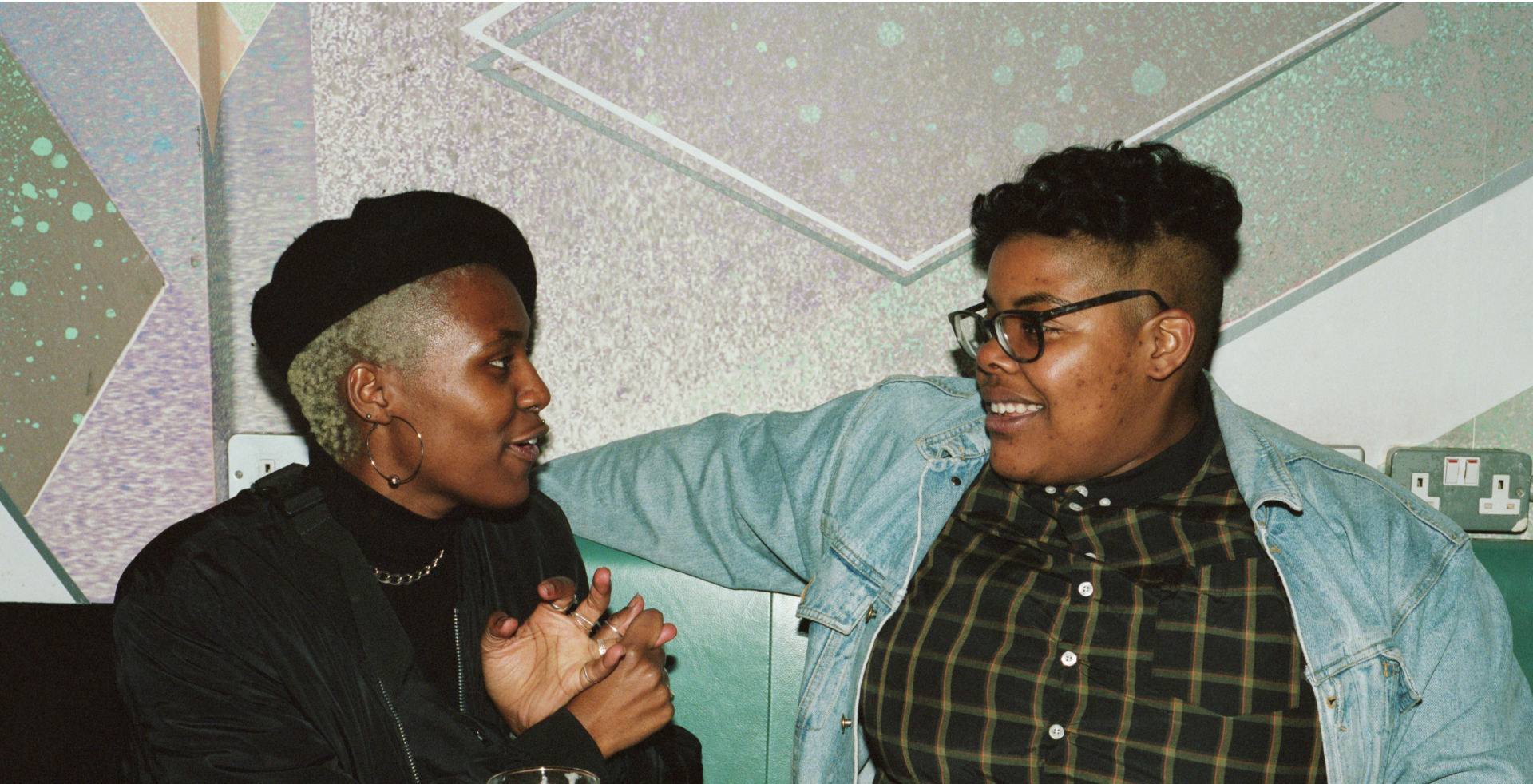
QTBIPOC Group
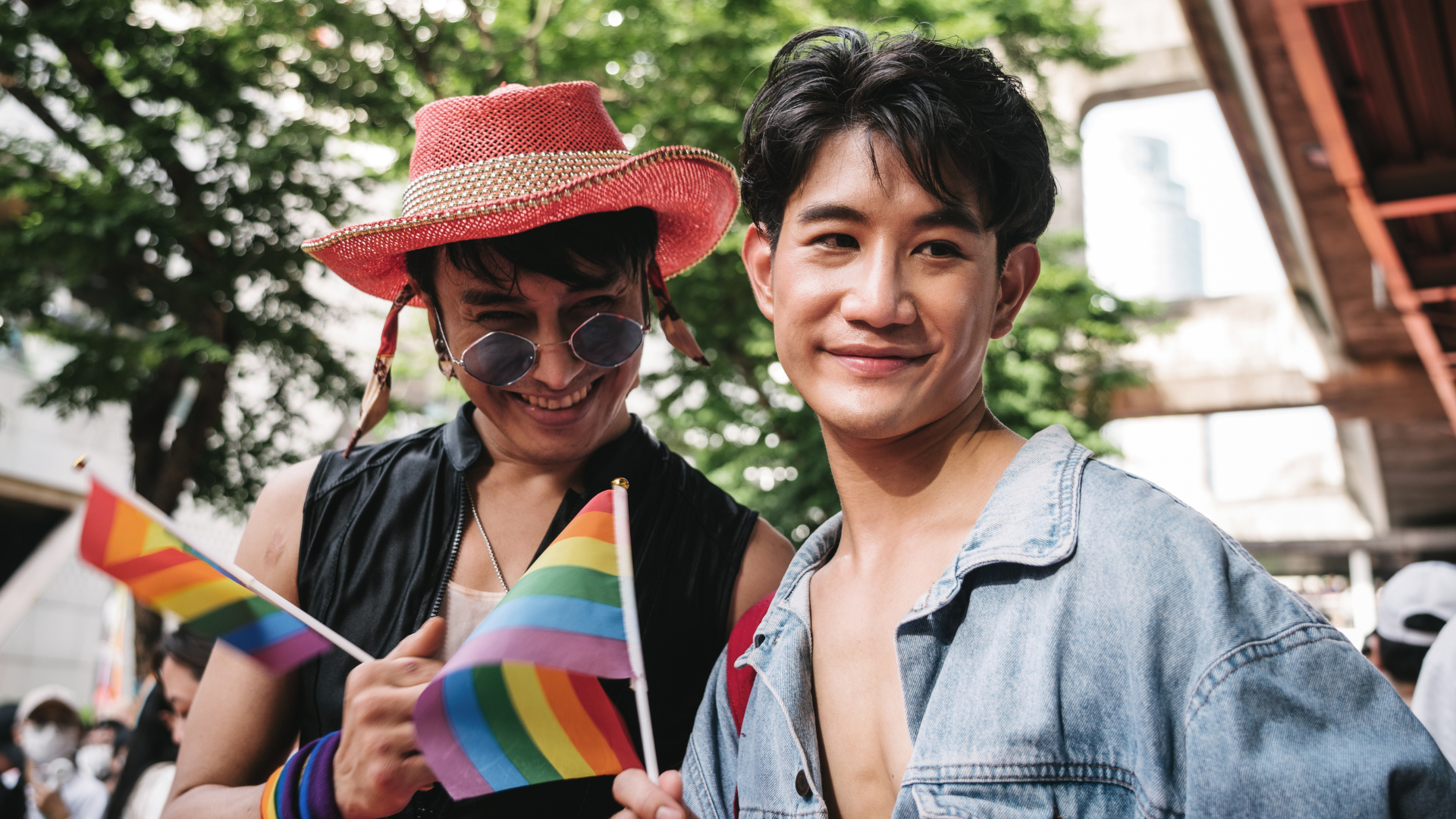
A therapeutic space for queer and transgender Black, Indigenous, and People of Color (QTBIPOC) to process their experiences.
Navigating life at the intersection of multiple identities—especially those that are historically marginalized—can be challenging and even traumatic, yet can also bring deep strength, connection, and joy.
In what ways do our identities bring meaning and pride into our lives and our sense of self? How do we move through healing? How can story telling and shared meaning making awaken authenticity without performance?
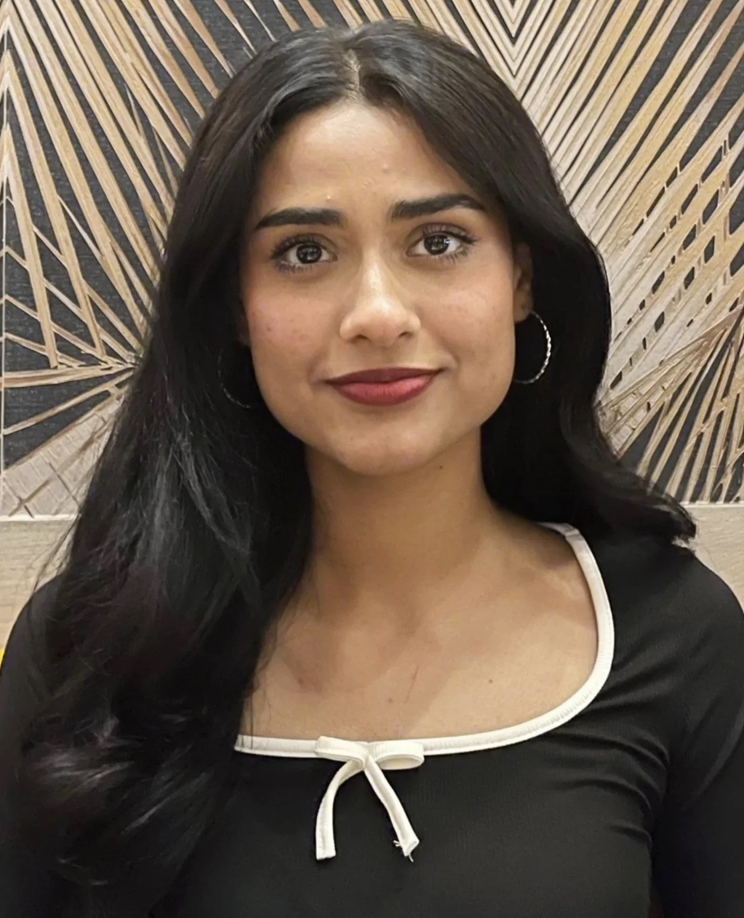
This group aims to provide mutual support, share coping skills, build safe and affirming community, and find belonging for every unique part of your whole Self. Facilitated by IHI Staff Therapist Fatima Aamir, LMHC-LP.
Cost: Free
Wednesdays
6:00pm - 7:00pm
Online

Meet Your Therapist
-
She/Her
I create a therapeutic space where self-exploration, healing, and empowerment come together. I honor that we live in a world of interconnected systems, where the flow of power can impact each of us differently. Together, we are a team exploring what feels important in the story of your life, we are recognizing how it feels to do it together, and leaning into the safety of hope.
I graduated from Teachers College, Columbia University with dual masters in Mental Health Counseling and Psychological Counseling. My approach is integrative, incorporating psychodynamic, AEDP, and experiential modalities to help you meet yourself in a meaningful and transformative manner. My focus is on adapting the therapy experience to you, so sensationalized and daunting buzzwords are not defining or limiting to the whole, embodied self you envision. Together, we will lean into the unique authenticity and bravery of the therapeutic bond to help you honor the past, immerse in the present, and design your future.
Frequently Asked Questions
Why is this group free?
IHI is committed to increasing access to affirming mental health support for QTBIPOC communities.
We know that QTBIPOC folx face intersectional barriers to receiving affordable, long term, affirming mental health care. Racism, bias, and discrimination often results in under diagnosis, lack of trust, and inadequate support.
Additionally, insurance and socioeconomic factors contribute to mental health barriers. More than one-quarter (28%) of LGBTQ+ adults of color have no health insurance coverage, compared to 8% of all adults.
Offering no-cost programming is one of the ways we combat these intersectional inequities in access to mental health services for QTBIPOC communities.
IHI is able to subsidize this group thanks to our donors’ support. If you’d like to support this group, click here to donate, and we’ll be able to continue offering services like these.
What kinds of things do you talk about in the QTBIPOC Group?
In our QTBIPOC Group, we explore our lived experiences, identities, and the intersections between the two.
Common themes have included navigating the impacts of racism, queer/transphobia, belonging, processing identity based stress and trauma, and sharing resources.
The content of the groups is determined by the group members’ participation. We invite all participants to utilize this group space as an opportunity to share openly within a safe container.
Why do you offer this group?
Due to systemic racism, QTBIPOC folx lack affirming, expert mental health care that they can access in an ongoing manner. Diagnoses are unequally given to QTBIPOC adults: 29% of LGBTQ+ adults of color say they have been diagnosed with a depressive order from a provider, compared to 39% of the LGBTQ+ adults broadly, a ten point gap.
Over a majority (54%) of LGBTQ adults of color are battling poor mental health today. Transgender adults of color are even more likely (61%) to face these struggles in their daily lives.
Research from the Center for American Progress shows that people of color systematically receive inadequate health care, which may explain why too few LGBTQ people of color receive diagnoses and the care they need.
Our QTBIPOC Group exists to fill these gaps in expert, ongoing, free mental health care for those in need of support. We seeking ongoing feedback from our communities and training from DEI experts regarding how we may best continue to serve QTBIPOC communities. We are committed to continuous learning.